

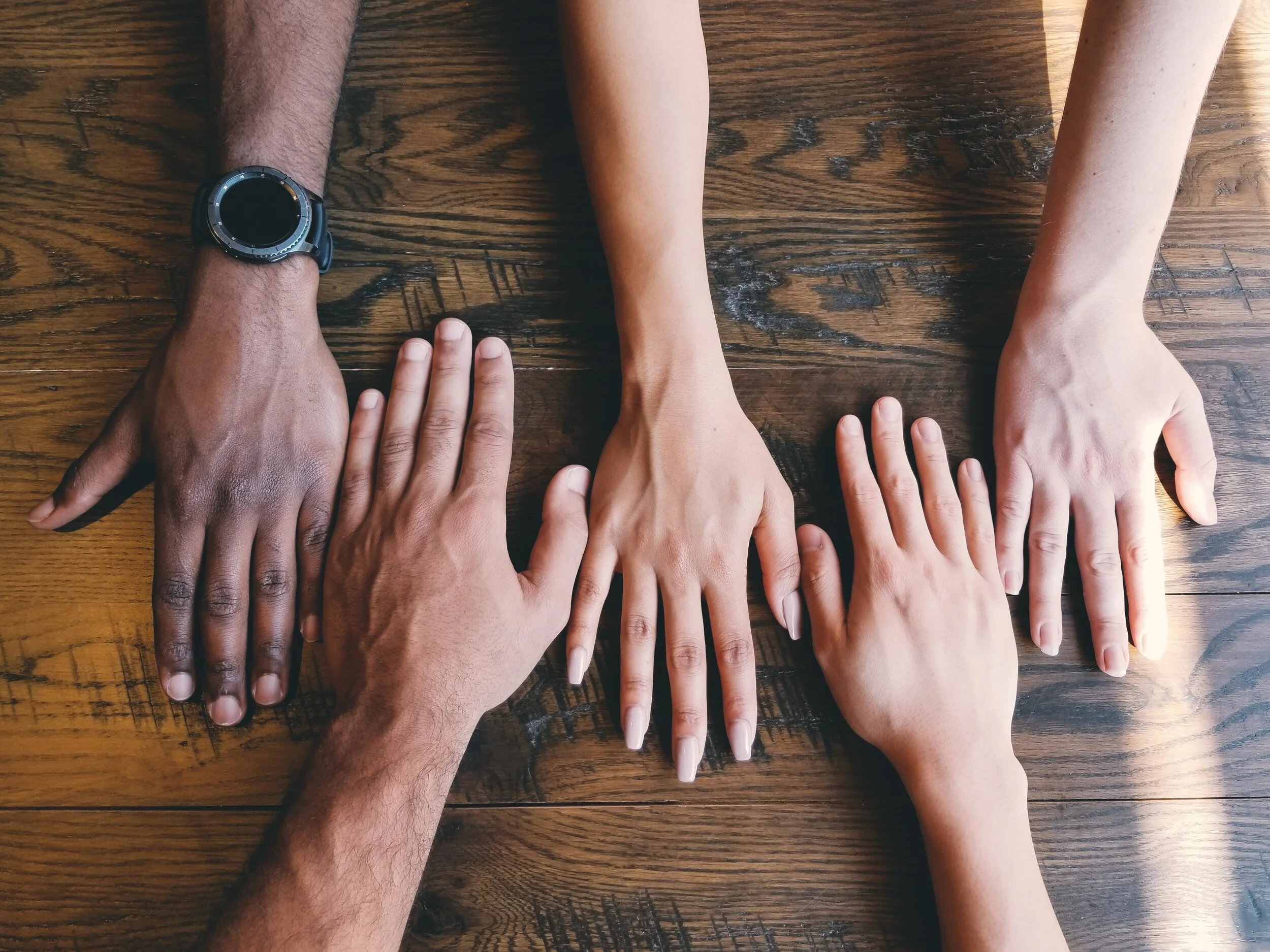
July is Minority Mental Health Awareness Month!
Despite the greater awareness and acceptance of mental health, there remains a large disparity in mental health service use for racial and ethnic minorities. Among Americans with mental illness, 48% of White Americans have received services, compared to 31% of Blacks/ African American and 22% of Asian Americans (American Psychiatric Association, 2017). The consequences of untreated and/or under-treated mental health problems is damaging not only to the individual, but to society as well. Individuals with untreated mental illnesses can lead to substance abuse, crime, and suicides (Joel, 2015).
Certain barriers contribute to the low number of mental health services for ethnic and cultural minority groups.
-
Therapists’ training to be culturally competent. Mental health, psychology, and psychiatry practices is inherently Eurocentric (Cunningham, Nezlek, Bananji, 2004). Many techniques and approaches are familiar to Western ideologies, such as individualism and talk therapy. These concepts often appear to go against the beliefs and values of minority cultures. For example, sharing about family issues or identifying with a mental illness is taboo for many individuals in minority communities.
-
A lack of mental health education in ethnic and cultural minority communities (Atdjian & Vega, 2005). Without adequate knowledge, few would seek the appropriate services. Moreover, there is a higher dropout rate for individuals who do not have an adequate understanding of mental health. It is more common for a person from minority culture to identify with somatic symptoms rather than depression.
-
Access to mental health services is complicated by various societal factors including geographical factors (McGuire & Miranda, 2008). Typically, the available mental health services are catered to the immediate needs of the surrounding communities and may not have the adequate resources or personnel to meet the needs of smaller communities. Despite the great diversity in the city of Miami, there are only a handful of private therapists who are adequately trained to provide mental health services to, for example, Haitians, Vietnamese, or Russian individuals and families.
While it may seem like a daunting task to break through the barriers to mental health, it is immensely worthwhile to overcome these challenges by increasing Mental Health education and training culturally competent therapists. At Wellspring, we recognize the importance of culture and diversity in therapy practices. Through our Diversity and Inclusion Team, we enhance our multicultural knowledge and skills to serve the different individuals in our community. Just as the Apostle Paul become all things to all people for the sake of the gospel, (1 Corinthians 9:1-23); we too work to learn how to bring therapeutic healing to all members in our community.

Article by:
Listen to this week’s podcast entitled: Minorities and Mental Health
Tova Kreps, LCSW, spoke with Pastor Ibyi Parris about the stigmas of Mental Health and Minorities.


